
Check out our Blogs.
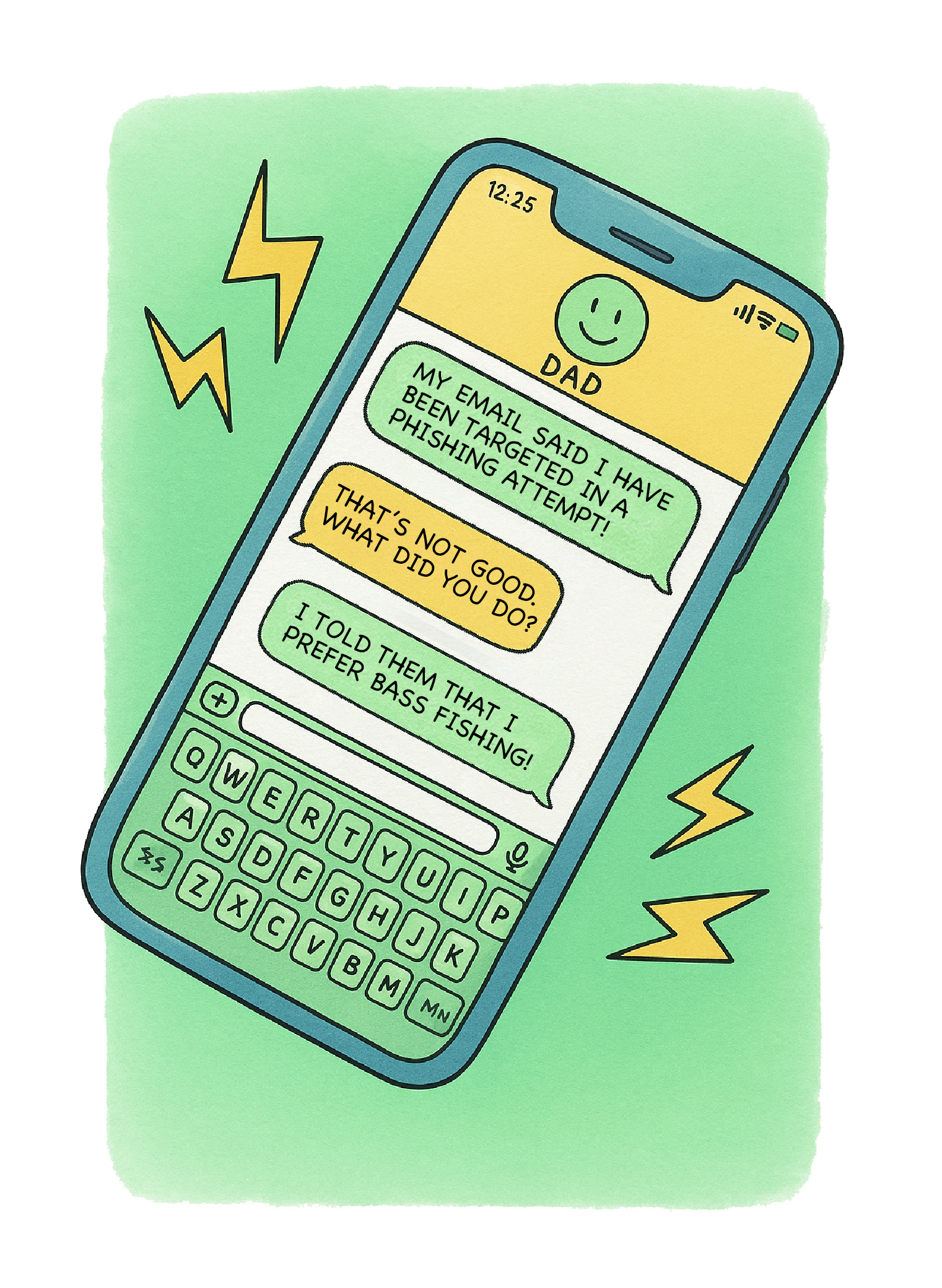

Don’t Make Users Guess: Lessons in Navigation from Everyday Life
When guests first arrived at the Adobe Creative Café event in St. Louis on July 17th, they were greeted not just by the buzz of anticipation, but by hands-on fun. Attendees could dive straight into creativity with a custom patch project—choosing from hats or belt bags to make their own wearable art. A build-a-pen station let everyone craft a tool as unique as their ideas, while a photo booth captured the excitement with snapshots of friends and new connections. Food and drinks flowed to keep the conversations lively and the energy high. It was the kind of welcome that set the tone for a night dedicated to imagination and connection. It was pure creative magic from start to finish.

Introduction to Competitive Analysis
UX design is not about reinventing the wheel. Our artistic side might want to deliver something more creative and original, but our more practical technical side knows that users crave simplicity and familiarity. It would be frustrating as a user if every website and application you interacted with had a different way of organizing information and interacting with elements. So when it comes to designing a product, it’s important to take inspiration from existing competitors. Competitive analysis describes the process of researching and analyzing products with functionality similar to that of the product you’re building. This gives the designer a good list of do’s and don’t’s, while also providing stakeholders with an idea of how the product can succeed. Examining similar products helps designers build a better idea of what works and what doesn’t.

Enhancing Clear Path: Insights from a User Testing Study
User testing is essential for validating whether a tool meets user needs, uncovering friction points that may not be immediately obvious, and ensuring that features are both discoverable and intuitive. To assess these points, we conducted a combination of surveys and user testing sessions on Clear Path, a Jira application used to visually manage dependencies in backlogs, understand the critical path, and plan sprints effectively. By observing how internal employees navigate Clear Path, we can make data-informed design decisions that enhance usability and efficiency, ultimately improving the overall user experience.
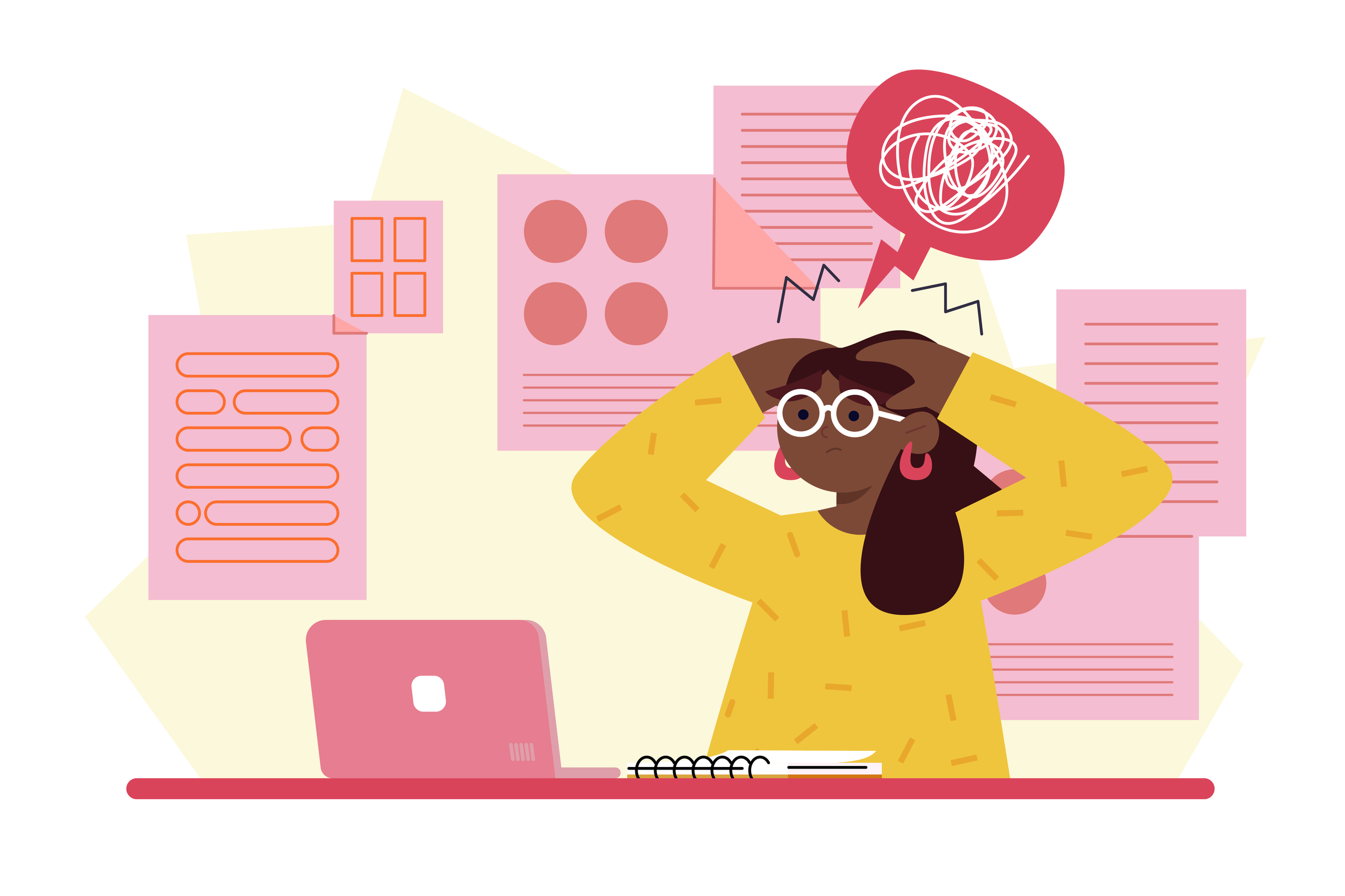
UX Design Fails: The Cost of Ignoring User Experience
Imagine trying to use your favorite website or app only to find yourself completely frustrated by its design. Maybe buttons were in a weird place, menus were hard to navigate, or something just didn’t work the way you expected. These moments are more than just annoying, they’re a clear sign of a UX design fail.
You, the User: What Informs Your Preferences?
As new trends and technologies rise in popularity, companies compete fiercely for users' attention. Though they all offer similar services, each company strives to distinguish itself while dancing around infringement. While pricing and features are often seen as the deciding factors, small details—like user interfaces and interaction design—can have a significant impact on a user’s decision-making process. These seemingly minor differences can determine whether a user remains loyal to a service or switches to a competitor. When developing a product, it’s important to empathize with users and pay attention to feedback. Let’s explore a few popular services that you’ve likely already formed an opinion on.

Theme Parks as a Masterclass in User Experience
Theme parks, particularly those designed by industry leaders like Disney and Universal, stand as examples of how user experience (UX) principles can be masterfully applied to physical spaces. These environments are not merely collections of rides and attractions; they are meticulously crafted, multi-sensory experiences designed to engage visitors on a profound level. Theme parks demonstrate how a human-centered approach to design, combined with careful planning and attention to detail, can cultivate immersive, engaging, and, most importantly, memorable experiences for visitors of all ages.

Remote vs. In-Person Usability Testing: A Comparative Analysis
Usability testing is essential for businesses because it reveals how real users interact with their products, allowing for adjustments that enhance user satisfaction, increase conversions, and boost brand reputation. By identifying issues early, businesses can reduce costs, minimize the risk of product failure, and gather actionable feedback to drive innovation.